
Collapse
It's not a matter of if, but when modern, industrialized civilization will collapse.

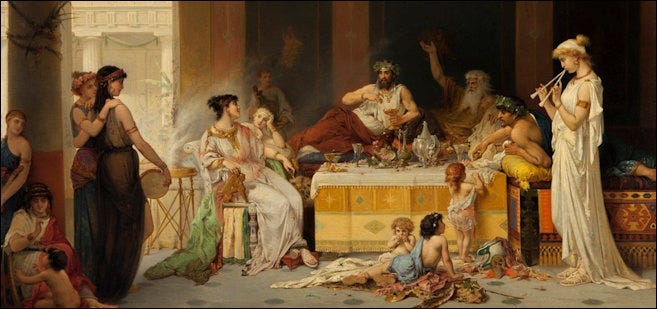
One of my favorite Youtube channels is called “Fall of Civilization.” Narrated by a lilty-voiced Brit named Paul M.M. Cooper, true to its name, each episode covers a different civilization (ones usually defined by an empire) that once thrived but eventually perished: Vikings, Huns, Aztecs, etc. Collapse usually happens for one of two reasons or some combination thereof:
Infrastructure and power-structures broke down under the civilization’s own weight . Roads couldn’t be maintained, governments became too bureaucratic to function or pay for, remote taxation and policing became too difficult to justify expanded borders , etc. In the absence of order and oversight, an empire/civilization is susceptible to fracturing, multi-front attacks from small tribes, and eventually they collapse.
Natural resources became too scarce to support populations . The sun became too hot, the fields too dry, the coast too wet, forcing populations to migrate from one region to another.
Whether by design or happenstance, these ancient collapses bear remarkable similarities with the present day, but on 1/1,000,000,000 the scale. Ancient civilizations couldn’t redirect water from a thousand miles away to offset drought, as America’s southwestern states do today. For much of history, there were hard stops on population growth because the environment could not support more than a certain number of humans. Industrial, extractive technology —oil, gas, mining, dams, aquifer draining —enables today’s civilization to take resources from the future to pay for lives in the present.
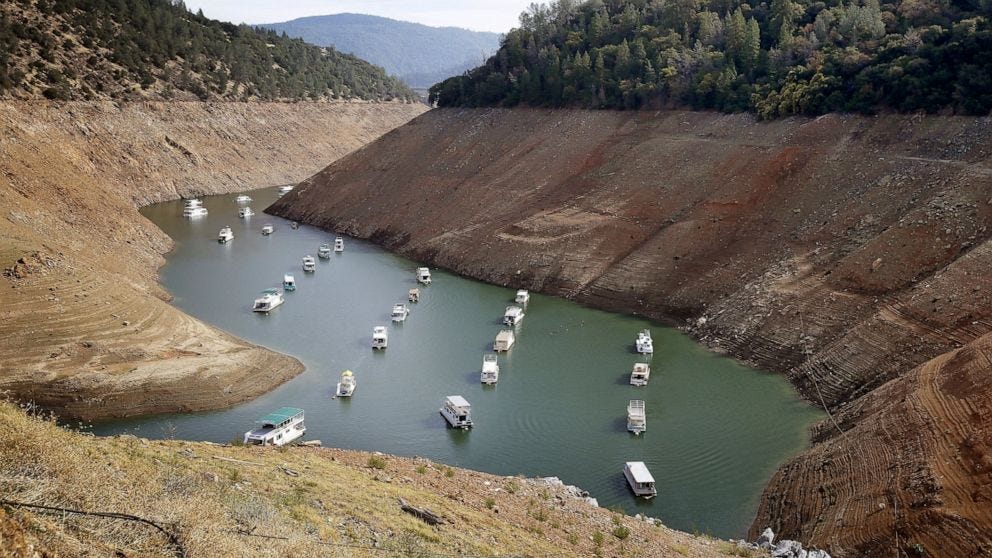
And what lives those are, right? The world’s population stands at 7.753B and at least ten percent of that lives on less than two dollars a day ; these people, and many others with ostensibly more material security, are an economic downturn or drought away from destitution, disease, and death. Despite the numbers, today’s globalized, industrial civilization is incredibly vulnerable and fragile.
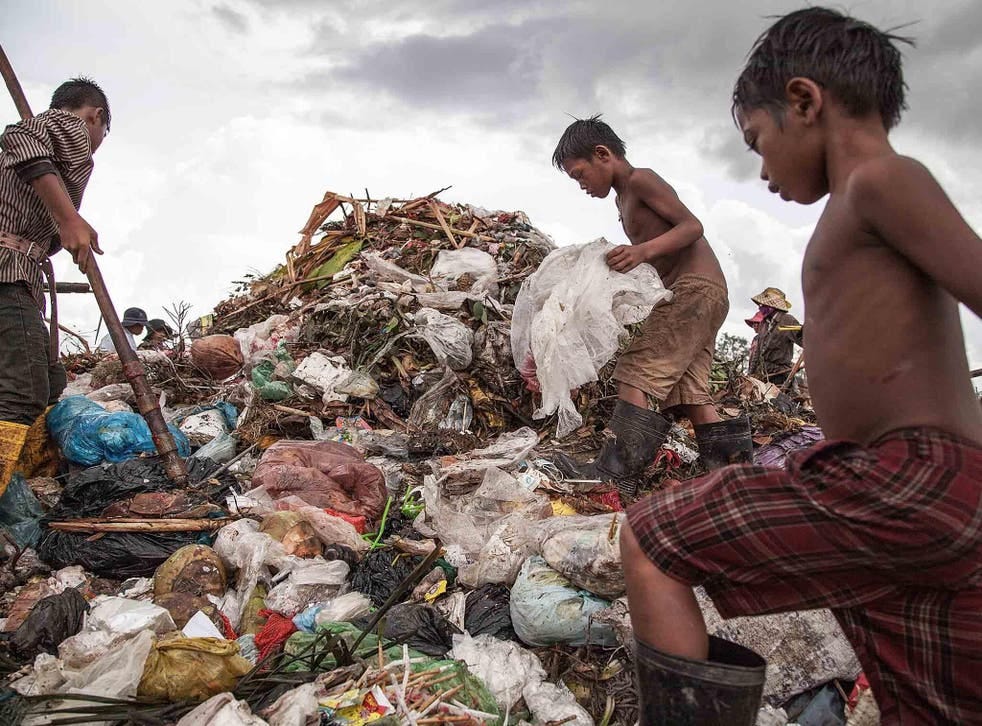
The economic winners are hardly better off.
This. This American Life (pun intended) is what empire collapse looks like: decadence, artifice, and waste reign supreme while aging plutocrats print currency to pay for an overwrought, outsourced, non-regenerative, unsustainable economy and infrastructure…and a globalized military complex that keeps supply chains humming.
Like other collapses, art, conversation, and philosophy are dying in this one. I pray that if a Youtube video is made about the current civilization collapse, it would include a section about the K-pop band, BTS, whose de-sexed, genericized, product-placement billboard aesthetic represents the furthest point humanity has traveled from Egyptian antiquity, the Renaissance, or other epochs when human expression flourished. Having never seen BTS live, I would not be surprised to learn they are AI-generated avatars designed to sell Big Macs and LG phones to internet-addicted, diabetic tweens.

The last couple nights, I’ve been watching an episode on the Assyrian Empire, which flourished c. 2000-1500 BC. Cooper mentioned one of the empire’s main cities, Nineveh, had ruins dating from c. 6,000 BC. Assyrian timelines dwarf America’s puny 246 years of official existence or the 150 or so years of widespread industrialization and global population migratory exchanges. Like many people attached to modern life, Assyrians probably never thought their way of life would one day vanish. Life had gone on for so long.
I tried to hold this historic context in a virtual court hearing yesterday, of which I was the star, and was overseen by around nine government-paid officials, including the judge, a few lawyers, some case-workers, and some fucking people I didn't know, but were somehow charged with controlling my life bereft of education, context, or compassion. The situation, apropos of civilization collapse, was Byzantine. I have to remember that this situation —like the Byzantines —can only continue so much longer, its entropy-built structure collapsing under its own weight.
Also, yesterday, a recent video podcast interview with a Denver-based headhunter went live. The interview was for a general business audience, which gave me 1:14:43 to talk about my life, background, and ambitions, which have always been imbued with a keen awareness of history and irrepressible desire to shape it. I may never have been the richest man in Babylon —or its modern equivalent, New York City —and my current personal woes are of Deppian proportions, but when the walls of Babylon come falling down, and fall they must, I think the words I’ve spoken and written, the projects I’ve built, all of which have attempted to surf civilization’s collapsing wave rather than forestall it, will be far more useful, and far more worth talking about in a thousand years than the civilization’s-end inanity dominating the headlines today.
[Author’s note: Today’s newsletter is knowingly exceeding its 511 word count to make up for my paucity of newsletters.]
Succinct, entertaining, alarming, and veritas to the end. Somehow you manage to point out all of the issues in a few paragraphs...KPOP certainly is connected to the environment. If post-modern theory, thought and argument got anything right it showed us how a seemingly innocent cultural phenomena is not only a symbol, but an active collaborator in the destruction of our economy, society and culture.