
How Happy Rolls
The barrier to feeling happy and free is often disbelief in the possibility that anyone ever attained of those states. Learning to live a happy life is helped greatly by role models already doing it.

Right after graduating high school, I moved out of my dad and stepmom’s spacious home into a trailer where a friend from the cycling scene lived. I had a solid bike shop job and no intention of going to school; the friend was an undergrad at the University of Colorado. The trailer was packed with bikes and bongs —implements for activities central to both of our schedules.
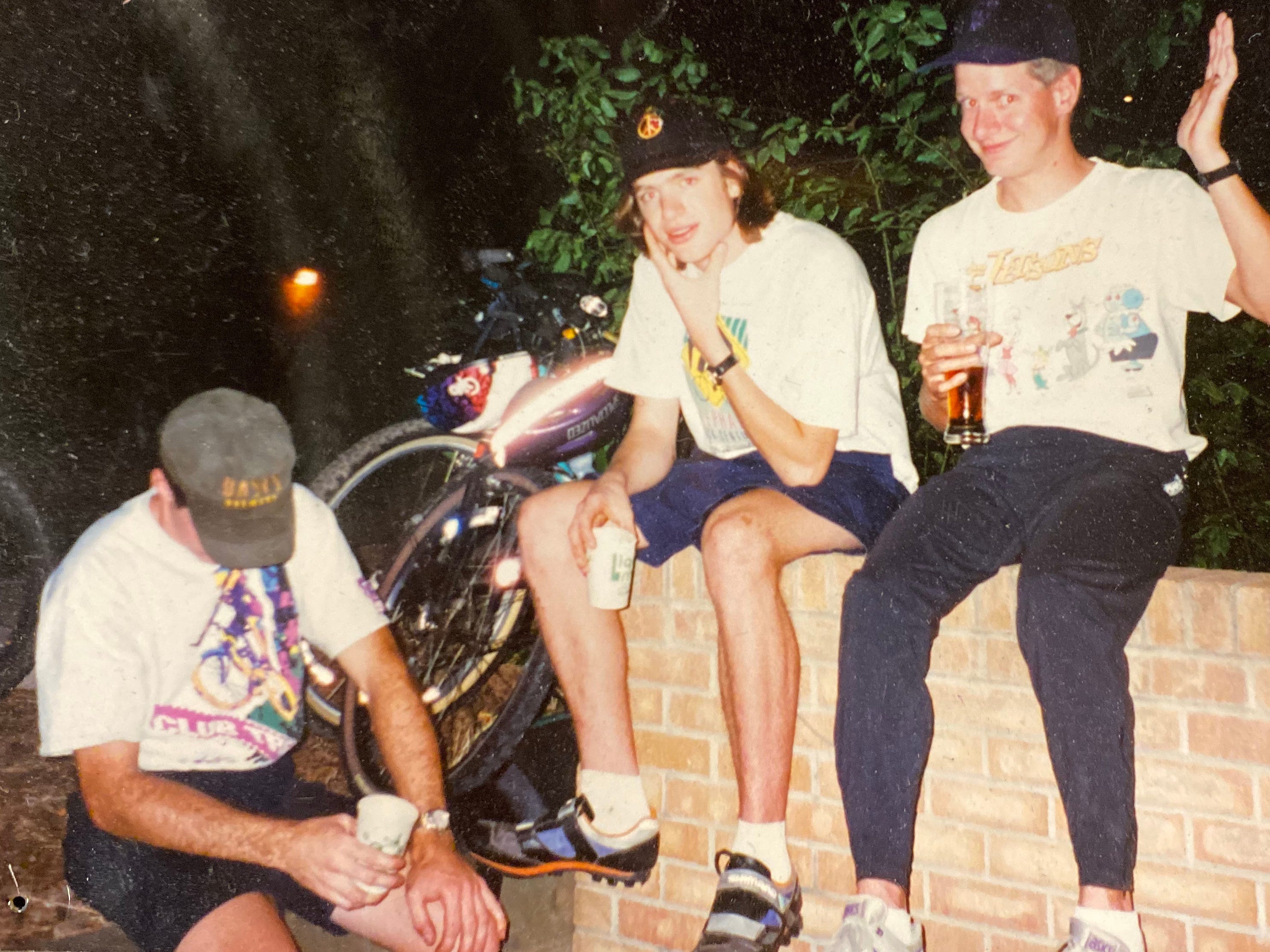
As a restless eighteen year old in the fall of 1994, I wasn’t sure I could endure the winter in the trailer, working all day at a dead shop, and riding cold roads. Psychedelics were a big part of my life at this time, and during a post-work trip I decided I would ride my bike around the world. Though a serious cyclist, I never did any self-supported bike touring, much less in countries across the globe. Nevertheless, a couple months later I was on a plane to Auckland, New Zealand with a loaded touring bike, an unopened Lonely Planet guidebook, and a sheet of acid.
It was a bad trip from the start. I never lived away from my parents, and my “wing-it” planning left me isolated in the backwoods, away from other travelers. I was tired of acid, had no weed, and started drinking too much beer with the locals. I went on the trip to find myself, but found myself dealing with the same emotions I did at home —anger, restlessness, loneliness —in a new location with new people.
I eventually made it to the South Island, where I was approached by another bike tourer on the road one day. Paul and I finished that day in Nelson, and ended up riding together for most of the next two weeks along the island’s west coast —aka “the wet coast.”
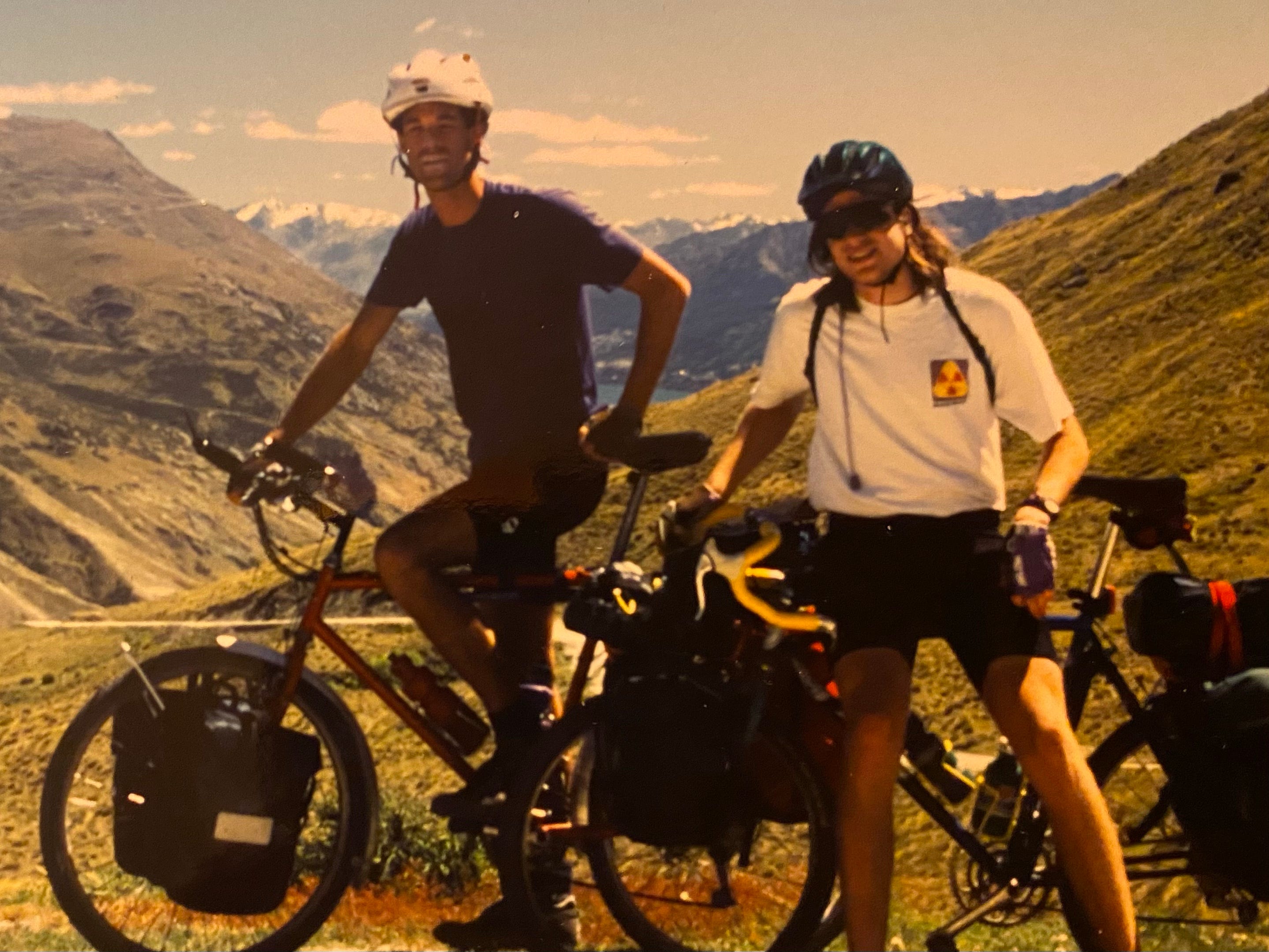
Paul was the first happy person I ever had extended contact with. I am from a brilliant, accomplished family, but an often unhappy, emotionally-troubled one. I lacked happy, cheerful role models —why I didn’t want to go to school or get jobs like my family; why I went across the globe to be away from it all.
Paul was different from my people. It rained (often) and he put on a rain jacket. He met a scowling stranger and he put on a smile and said hello. He saw a beautiful setting and stopped and appreciated it. He made little commentary that wasn’t about appreciation for things. Most of the moments he was enjoying, I was wet, scared, and lonely , which worsened after we parted. I started and ended my one country “world tour” six weeks after starting.
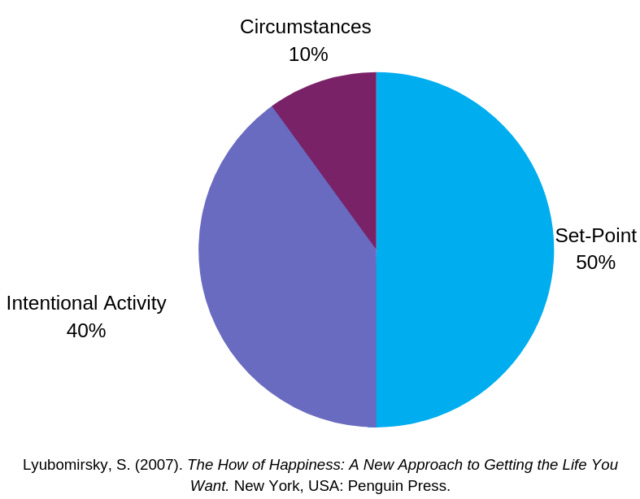
A full catalog of how Paul impacted me can’t be made, but the most lasting were:
Happy do people exist outside TV
Happy people have different responses to reality than unhappy people
If I employ happy responses, I may become happy too
As I’ve written about at length, happy people and responses are often thwarted by unhealthy market forces, but the existence of these people and responses is good news in the face of notions to the contrary.