
Rage Against Machines, Not Cogs
Why lasting change requires changing systems, not just parts.


I often think any group of people as being like machines in which each person acts as a cog that makes the machine operate. Some cogs play big roles in the machine’s operations, some small. But each cog no matter the size fits with the other cogs, directly or indirectly through other cogs. As such, when individual cogs attempt to remove themselves from the machine, the other cogs cannot turn and the machine either becomes nonoperational or operates in an abnormal way.
It’s important to note that being operational doesn’t mean operating optimally. Oftentimes, a machinery’s operations produce bad stuff like violence, destruction, and despair. For example, the machine called The United States is currently busying itself on a world tour of warfare, looting, and corruption. Many things work. Few things work well. Fewer still work well for all.
Now let’s say we decide we no longer want to be a cog in a machine, and let’s say the particular machine we want out of is our family, or at least its toxic “products” —the abuse, addiction, intergenerational cycles of trauma, etc. (NB: even the most toxic families produce useful products, often co-mingled with the bad stuff.)
We say to ourselves, “I’m finally going to stand up for my needs.” But again, individual cogs seldom change the machine, because any variation in a machine’s operations is liable to shut it down. Maybe asking for our needs in our families threatens a family member who’s accustomed to having his or her needs met all of the time. That family member might call us selfish, gossip about us to other family members, etc. We decide that getting our needs met is not as important as maintaining an uncomfortable peace. We’ve probably been diminishing our needs for years and years anyway.
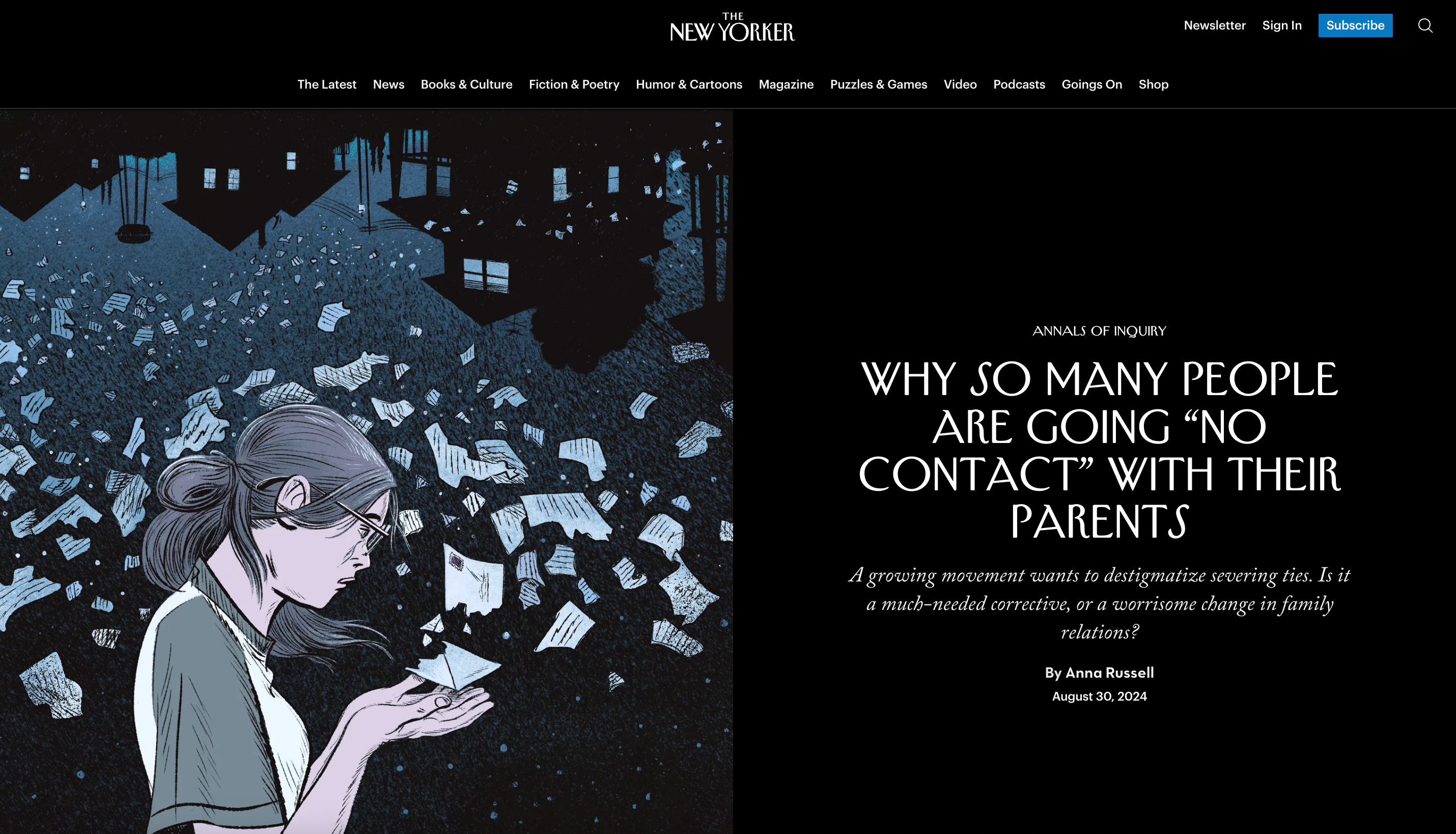
In this era of ghosting, many people will often abandon their family machines in search of new ones that work the way we want them to. But because we never did the hard work of recalibrating the machine or our function in it, we are likely to replicate our function in our new, “chosen families.”
There’s really only one effective approach for changing machines and our roles in them. Any machine that’s being upgraded or transitioned to a new purpose must shut down while the new machinery and its parts are installed and integrated. This period is called retooling.
Retooling allows for new uses for both machines and their parts, but not without making the machine stop operating as usual or going offline. In our social machines, retooling can look like a week off from work, a retreat from one’s family, a market collapse, or a revolution.
Retooling can be scary. Most humans have a bias towards what’s familiar. We cling to what our machines produce, even if the machine operates inefficiently or produces lost of stuff we don’t want. This is why people stay in toxic relationships, bad jobs, and submit to corrupt governmental system, the metaphoric devils we know.

Retooling requires contemplation about what role we want in our various human machines: our families, communities, cities, countries, etc. Retooling requires living without producing —a state that’s practically unheard of in a consumer-driven culture and economy. It requires relinquishing the certainty of what we know in the interest of producing what we want.
My machine metaphor came to mind the other day revisiting something I read last year by urbanist Jeff Siegler, who wrote:
Picture a rat in a cage with nothing but food, water, and a bottle of drug-laced water. Unsurprisingly, the rat drinks the drugged water over and over, often to its own detriment. For years, studies like this shaped our understanding of addiction: it’s all about the substance, right?
But psychologist Bruce Alexander challenged that assumption. He asked a different question: What if it’s not the drugs? What if it’s the cage? He built “rat park,” a stimulating environment with toys, tunnels, and social connections. The results were stunning. In this enriched environment, even when exposed to drug-laced water, the rats used it sparingly. Addiction, it turned out, wasn’t inevitable.
So what does this mean for us? Humans, like rats, are deeply shaped by our surroundings. When people live in connected, vibrant, and supportive environments, they flourish. But in communities plagued by isolation, neglect, or disconnection, the results can be devastating—addiction, apathy, and hopelessness.
When we see disengagement or harmful behaviors, it’s easy to blame the individual. But we need to ask ourselves: What kind of “cage” have we built for them? If we want people to care about their communities, we need to give them reasons to care—better public spaces, stronger social ties, thriving local businesses, and access to basic needs like housing and healthcare.
It’s not enough to hope for change. We have to create the conditions where change can happen. As Johann Hari said: “The opposite of addiction is not sobriety; the opposite of addiction is connection.” Let’s start rethinking how we build our communities, so people don’t just survive—they thrive.
Changing systems, not individuals, is what produces real and lasting change. If we live in toxic environments, if we act as cogs in broken machines, our only outcomes will be toxicity and brokenness. This is why intentional removal from our cages and machines is so critical, and why helping ourselves requires helping our fellow cogs.